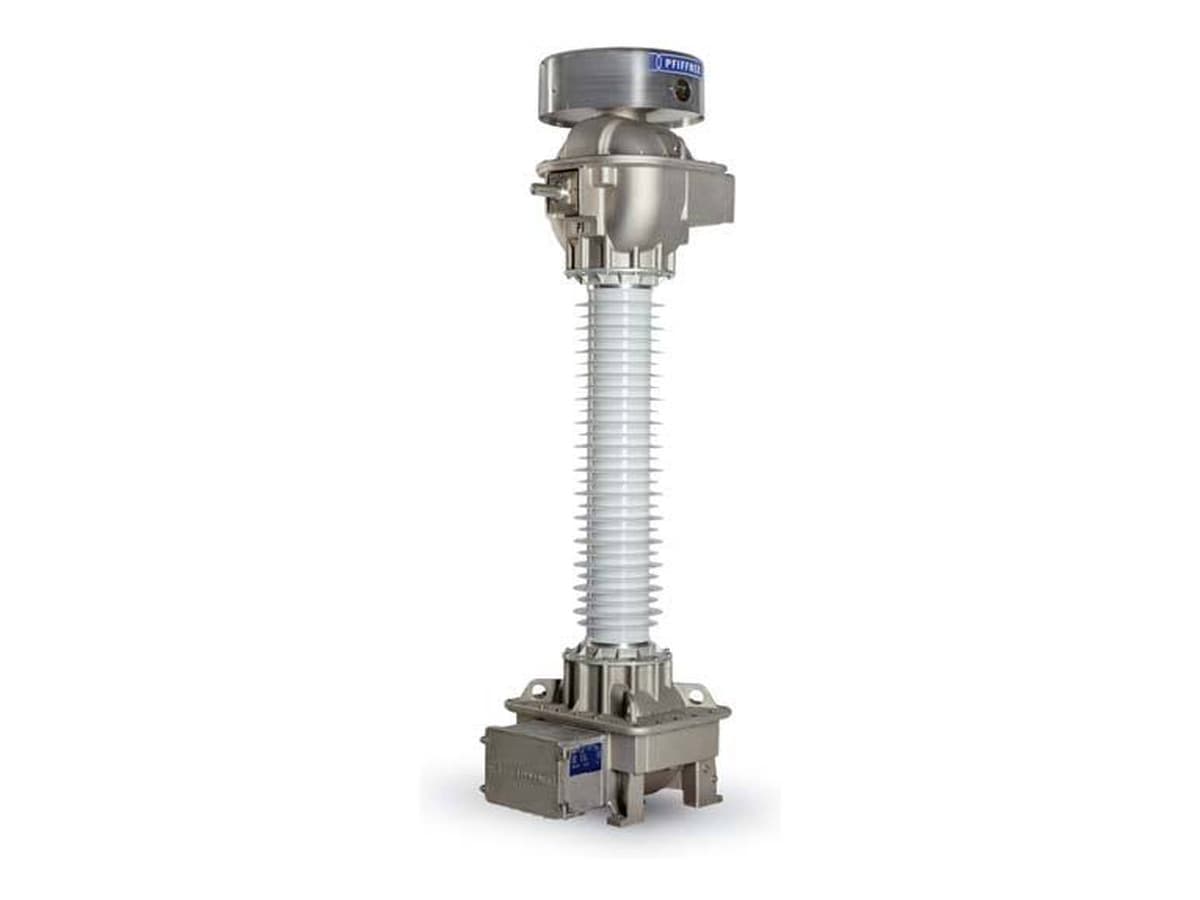
Surge Arresters
Overvoltage protection for equipment and networks.
Overview
Surge arresters protect transformers, switchgear and lines against lightning and switching overvoltages by diverting the surge to earth before it reaches the insulation of the equipment. Raptronics supplies metal-oxide surge arresters across distribution, transmission and special applications.
An arrester is usually one of the cheapest items in a bay, yet it protects some of the most expensive equipment in the network. Selecting it correctly is a matter of insulation coordination: the arrester has to stay passive at normal system voltage and temporary overvoltages, then conduct hard during a surge and keep the voltage at the protected equipment below its withstand level.
Our engineers help you select the right arrester class and ratings for your system grounding, voltage, location and the equipment being protected.
Specifications
- Technology
- Metal-oxide
- Applications
- Distribution, transmission and special applications
Types
Distribution arresters
Used on distribution transformers, overhead distribution lines, cable terminations and pole mounted equipment, where large numbers of arresters protect widely spread assets.
Transmission and station arresters
Used in substations to protect power transformers, switchgear and other high value equipment. These need higher energy handling and are selected through a full insulation coordination check.
Line arresters
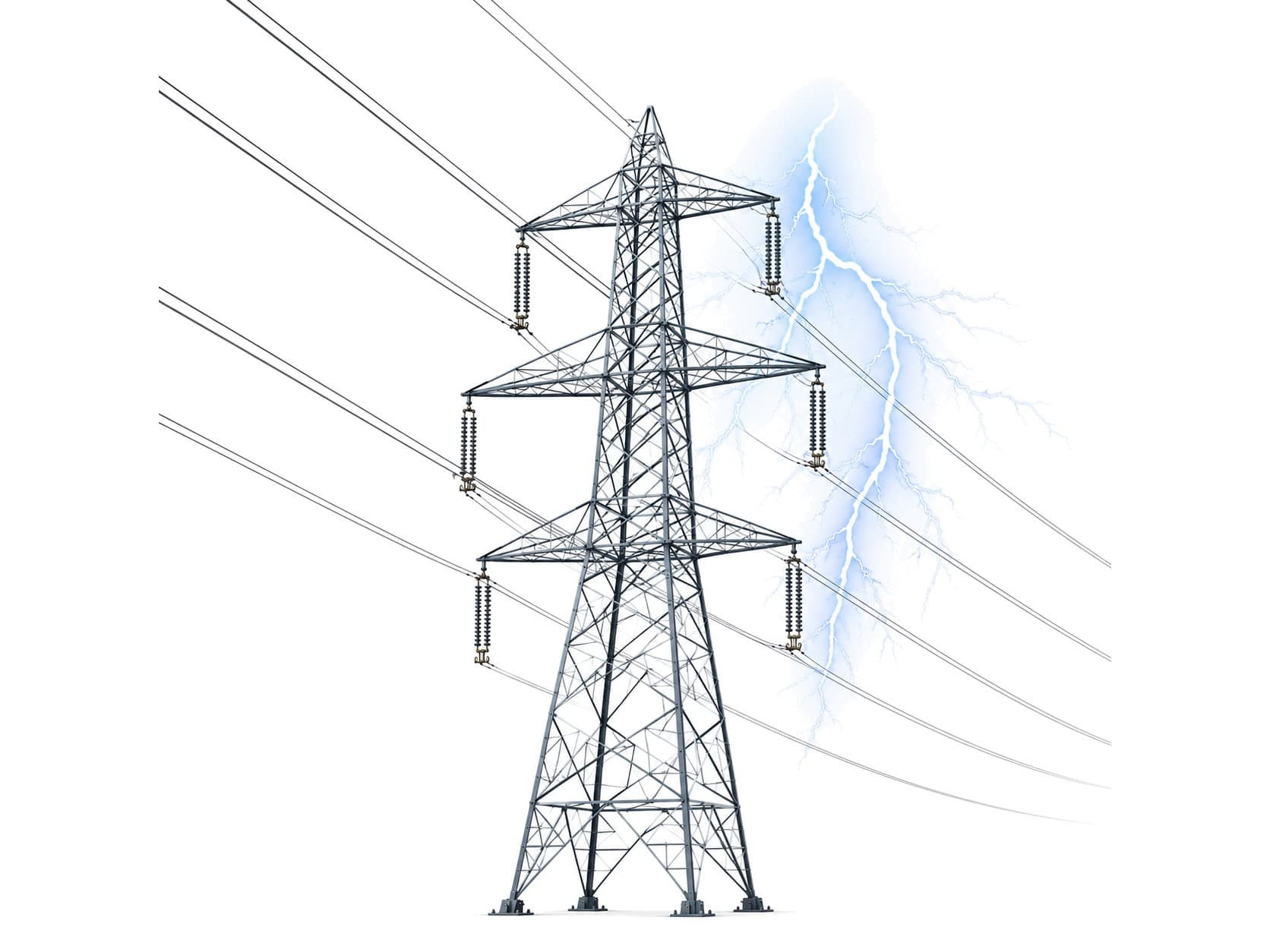
Installed along overhead lines, in parallel with the insulators, to reduce outages caused by lightning. Their placement is best decided with a lightning performance study of the line.
Special applications
Arresters for railway and industrial systems, where the network design and the type of overvoltage differ from a standard utility system.
Applications
Transformer protection
Arresters mounted as close as possible to the transformer terminals, so the voltage at the windings stays inside their withstand level during a surge.
Line protection
Line arresters on sections with poor lightning performance, such as high ground flash density areas or towers with high footing resistance.
Railway & industrial systems
Traction power systems and industrial plants, protecting supply transformers, drives and switchgear.
Applicable standards
We carry the applicable standards for your voltage class. Please reach out with your inquiries for more details.
Lead time
We offer very competitive lead times. Reach out and share your forecast with us in advance, and we can guarantee your requested lead time is met.
Frequently asked questions
How do I choose the right surge arrester rating?
The arrester must withstand the maximum continuous system voltage and the temporary overvoltages expected during earth faults, which depend on how the system is grounded. Its protective level must also be low enough to protect the equipment with a suitable margin. Our engineers can run through this selection with you.
What is the difference between a station arrester and a distribution arrester?
Station arresters protect high value substation equipment and are designed to absorb more energy. Distribution arresters protect distribution transformers, lines and cable terminations, and are used in much larger numbers.
What are line arresters used for?
They are installed along overhead lines to reduce flashovers and outages caused by lightning. A lightning performance study shows which towers will benefit most.
Where should a surge arrester be installed?
As close as practical to the equipment it protects, with short connection leads. Every extra metre of lead adds voltage at the protected terminals during a fast surge.
What do you need to quote surge arresters?
The system voltage, system grounding, the equipment being protected, the application (substation, line or distribution), the site conditions and the quantity.
Trusted in production by






Related products
Browse all MV/HV Equipment- Lightning Performance Studies - Overhead LinesEngineering studies that pinpoint lightning-driven outages on overhead lines and optimize the mitigation.View details
- Transformer Bushings/Wall BushingsResin-impregnated paper (RIP) and dry-type bushings.View details
- Instrument TransformersCTs, VTs, CVTs and RC dividers for precise measurement and protection.View details